

The Emerald Podcast Grant Program
The Emerald Podcast is dedicated to fostering community and giving back to our patrons who support and engage in the work of keeping an animate vision alive.
The mission of The Emerald Podcast Grant Program is to support projects and innovators that offer spiritual solutions to social challenges, center the sacred, and cultivate our connection to a living world to address the growing societal crisis of meaning. Our grant program is dedicated to helping support this important work and help bring our community’s heartfelt creative projects to life.
The program offers funding ranging from $3,000-$5,000 for small-scale projects initiated by patrons of The Emerald Podcast and the funding is available for patrons only. To find out more about this program and some of the projects our community members are working on, while deepening your connection to the topics Josh explores on The Emerald Podcast, we invite you to join us as a Patron.
The two categories of projects we aim to support:

Category A
- preservation and revival of Indigenous or ancestral stories and storytelling techniques specifically related to spirit, animacy, and animism
- preservation and revival of traditional arts techniques specifically related to spirit, animacy, and animism
- translation/research related to rare or endangered spiritual traditions
- facilitators exploring Indigenous/traditional communication models
- preservation of traditional plant/medicine/birthing knowledge that incorporates an animate vision
Category B
- original artistic/theatrical/musical/dance productions exploring themes of animacy, imagination, and spirit
- individual artists/writers/storytellers exploring spiritual or animate themes in their work
- community builders and designers exploring alternative models of communal engagement
- programs designed to re-introduce people to sacred land and sacred ritual
- rites of passage work with young people
This grant program is about cultivating the spark of life. Together, we aim to awaken wonder, and rekindle and deepen our relationship with spirit.
We welcome collaborative funding from partners sharing our mission. Please reach out to our grant program team at grants@themythicbody.com. We would love to connect.
We look forward to seeing the transformative ideas that emerge from our community.

We invite you to meet the inaugural recipients and their projects we are honored to support:
2026 Grant Recipients
/
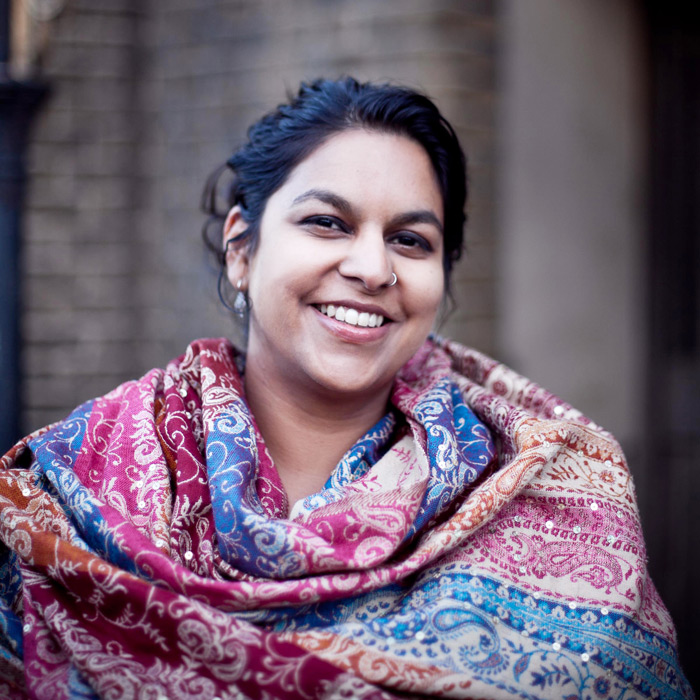
Kutumb
Kutumb कुटुंब (kinsfolk) is a series of embodied workshops rooted in South Asian traditions, created for the South Asian diaspora. Through ritual, music, and somatic experiences, Kutumb offers a communal, culturally grounded, and accessible space for second- and third-generation South Asians to reconnect with the wisdom and practices carried through ancestral histories.
Many may feel loss, grief and shame about the loss of cultural identity through colonization and migration. Kutumb is an offering toward that reconnection — a womb space, where ritual is not nostalgia, but medicine. This is a sacred space where one reconnects not only with where we come from, but also with who one is becoming.
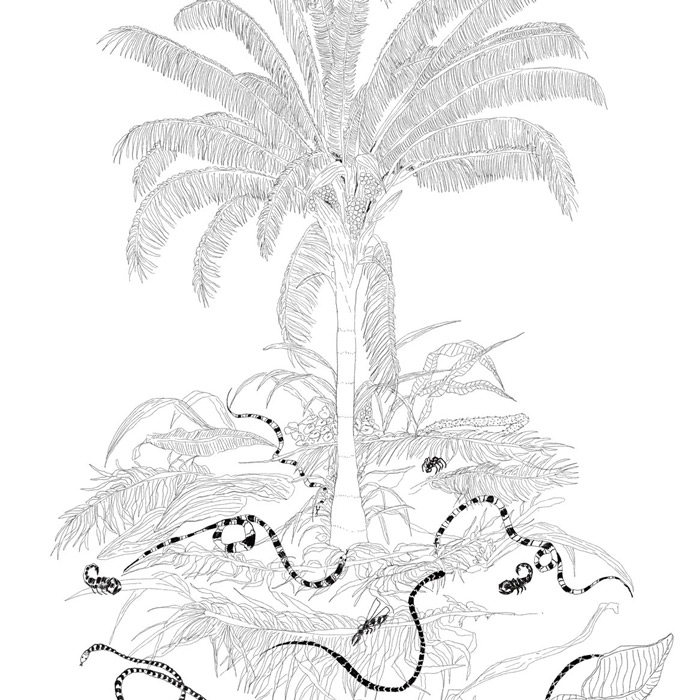
Ïairue Nagïni Saline space
This project supports the preservation and revitalization of the knowledge and ritual traditions of the Murui (Witoto) people of the northwestern Amazon, known as the People of the Center—the only group who mix tobacco with vegetable salts.
Their first major contact with Western society occurred during the violent rubber boom, under the exploitation of the Casa Arana company, which led to the ethnocidal collapse of their communities. Despite this, the Murui have rebuilt a vigorous intellectual and cultural presence within today’s Indigenous–urban interface.
Rooted in the rafue teachings of elder Enokakuiodo, the project seeks to design an oracular guide for navigating human challenges, affirming that healing arises from the transformative bond between humans, vegetation, and the moral cosmology of the living forest. It functions as both an archive and a medium for dissemination, seeking to bridge urbanized youth and sacred plant traditions within a dynamic, intercultural context.
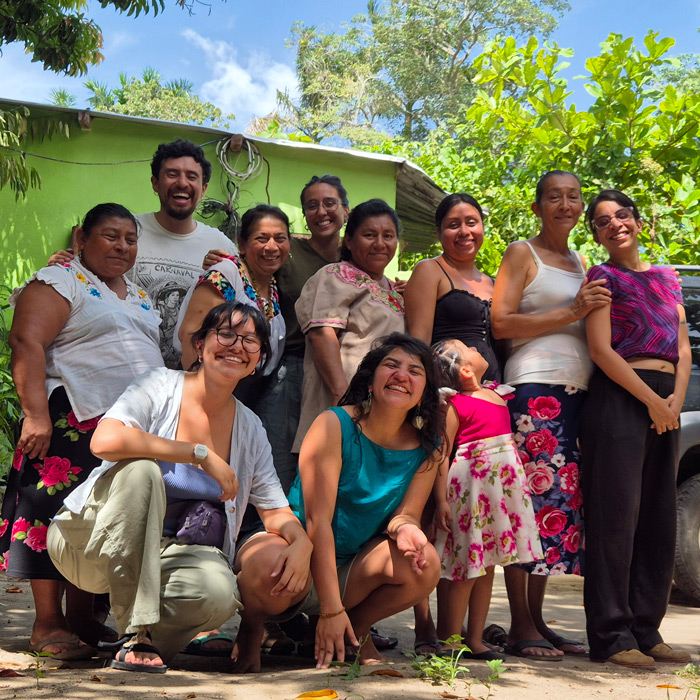
Radio Savia
Radio Savia is a podcast amplifying stories of collective care and healing through the voices of women land defenders in Latin America. Through immersive sound design, the project creates a sonic bridge between territories, fostering relational ways of listening that extend to the more-than-human world. The current season is conceived as a prayer for water.
With this grant, Radio Savia will expand its impact initiative, Tending the Waters, using podcasting as an accessible and far-reaching platform for dialogue, community engagement, and deep spiritual listening. In parallel, the project facilitates spaces for encounter and collective care, offering resources and practices that support both human and more-than-human well-being. These activities strengthen networks among community guardians, foster solidarity across territories, and contribute to the growth of sustainable communities of care.
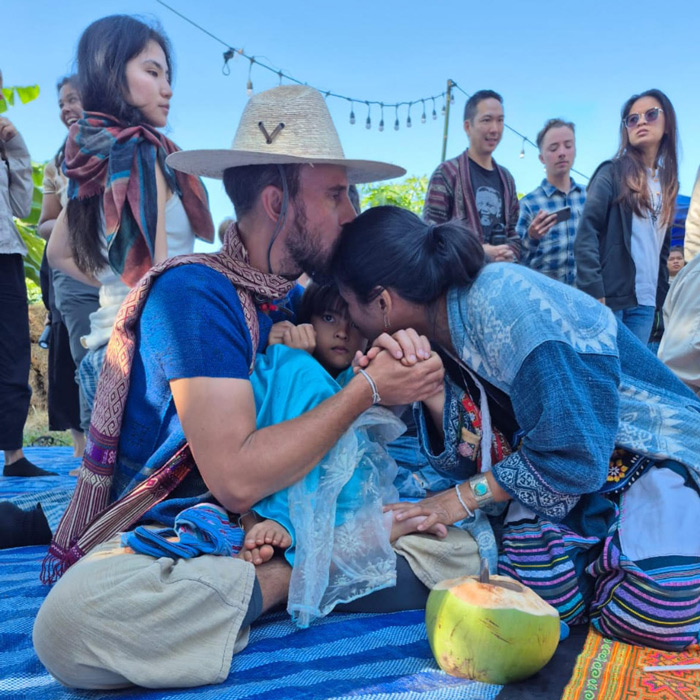
The Stories Rice Tells
A decade long collaboration between seed savers from the Panya Forest Ecovillage and Pgakenyaw tribal communities of Northern Thailand to preserve rotational farming practices has birthed an ancient human memory, that Story is oftentimes more powerful than mere facts. Though saving seeds is crucial, the mythological stories and ritualized practices that are carried by each seed must also be kept alive.
The Stories that Rice Tells is the result of this understanding. Seeds are very much threatened by modernity, with nearly 90% of the world’s seed diversity having gone extinct in the last 50 years due to industrial practices. The same is true of languages, songs, educational modalities, and the like. This immersive, localized journey into Place seeks to feed the mythical “ricebird” narratives of the Pqakenyaw in an effort to keep alive their highly developed, multi-sensual, initiatory educational systems while also offering enough appropriate conditions for participants’ own ancestral, mythical memories to again rise.

Traditional Ecological Knowledge Animism Gathering
Alaska Native peoples comprise 227 distinct Tribes whose cultures and lifeways emerged and continue through sustained relationship with the Animate realm. Sanctuary Animism centers Alaska Native oral histories as place-based voices grounded in these relationships, while welcoming American Indian, Indigenous, and Animist voices from around the world.
This project is a Gathering of the Visionaries—an opportunity for celebration, connection, and shared presence. These gatherings invite ceremony, drumming, art, traditional food, and the trading of stories, alongside messages from the Animate realm. Gathering of the Visionaries honors relationships through reverence and reciprocity. Notes from the field will be gathered—exquisite truths of being human, offered by the Animate realm—and shared as poetry, art, and music, in celebration as artifacts of presence.
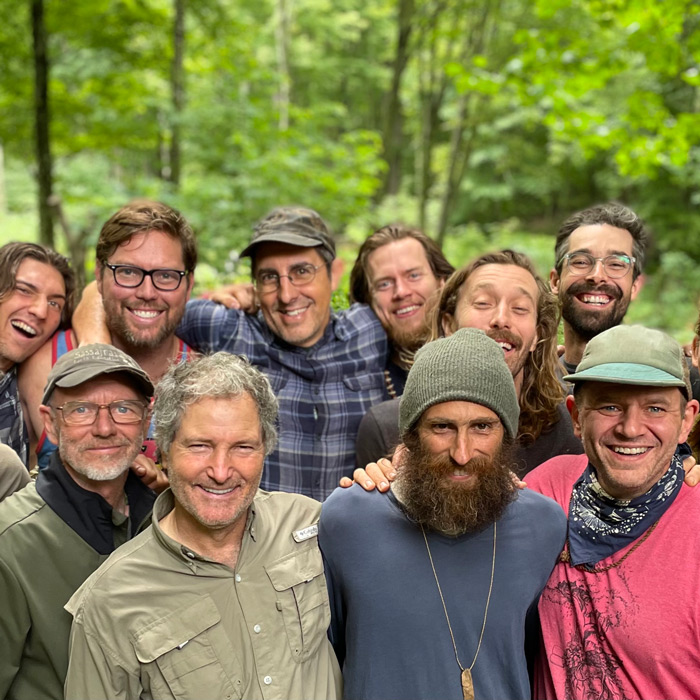
Boys Sacred Fire
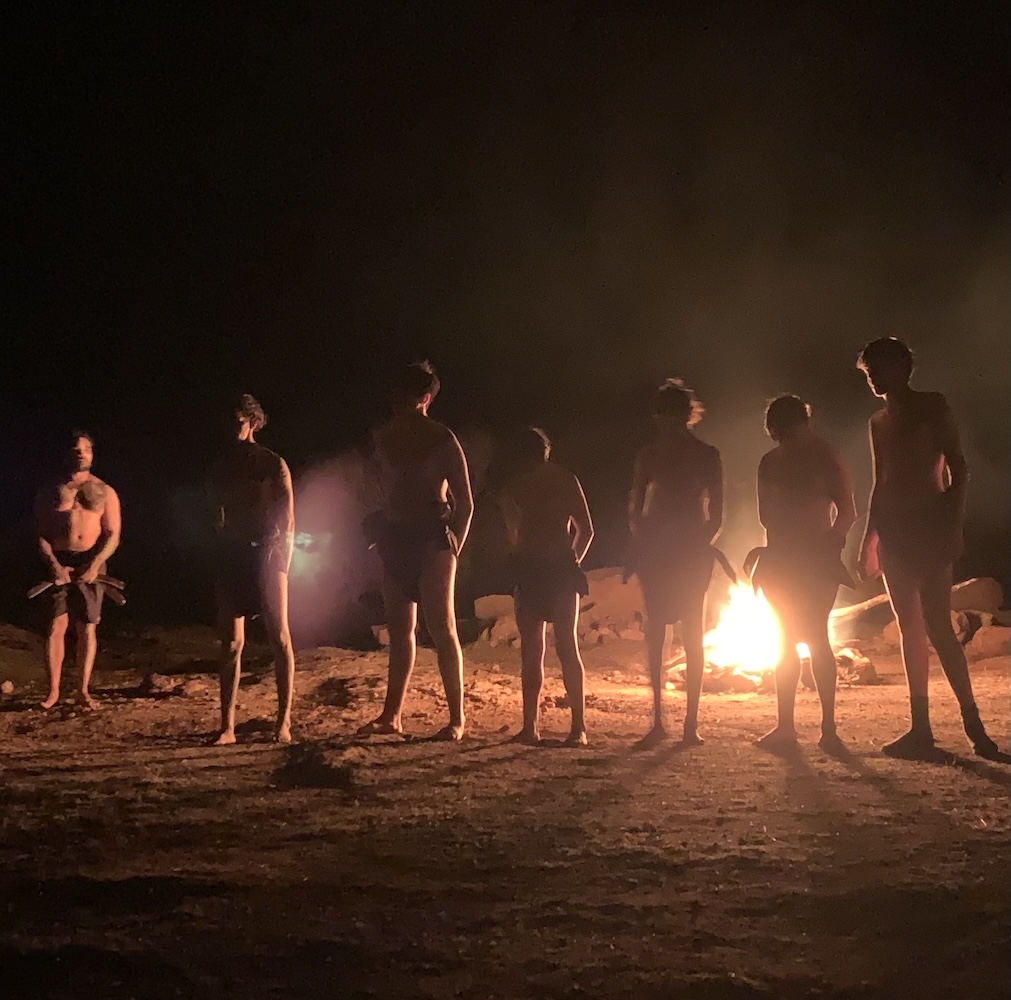
Boys Sacred Fire – North Carolina is a nature-based rites of passage program rooted in ancient human traditions that have guided boys into healthy adulthood for thousands of years. Across cultures, rites of passage offered challenge, mentorship, and community witnessing—essential elements for forming identity, responsibility, purpose and healthy adults / communities.
This program is a three-year initiation journey in which boys learn to “tend their fire”: to understand their inner energy, emotions, and to care for them with awareness and integrity. Through time outdoors, intentional ceremony, service, and reflection, participants develop a relational worldview grounded in respect for the living world—an animistic understanding that all life is interconnected and worthy of care.
Part of a larger network of satellite programs across the eastern United States, with the Main Fire in Vermont, graduates are initiated into a service-based path, giving back to their local and global communities and the world that shaped them.
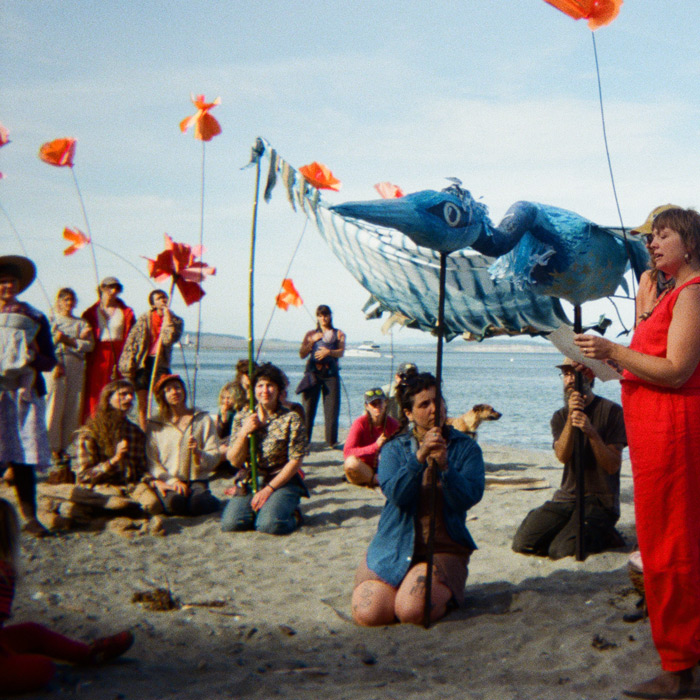
The Place Where Bells Ring
The Place Where Bells Ring is an animist church of devotional community practice around caring for our beloved dead. They approach community deathcare as an act of resistance to an inert, extractive overculture and an invitation towards interdependence and beauty. Through community ceremony for the living and the dead, education and advocacy, the traditional art of willow casketry, and tending to the autonomous needs around death and grief, The Place Where Bells Ring stitches the gap between state law and contextual practice – bringing people closer to caring for their own dead and strengthening the webs of care we weave around each other and the animate world.
Creating home for what is holy in life and death: it is a vision that when people hear the bells of death ring, they will know how to respond – and they will know that when their time comes – they too will be held this way.

2025 Grant Recipients
/
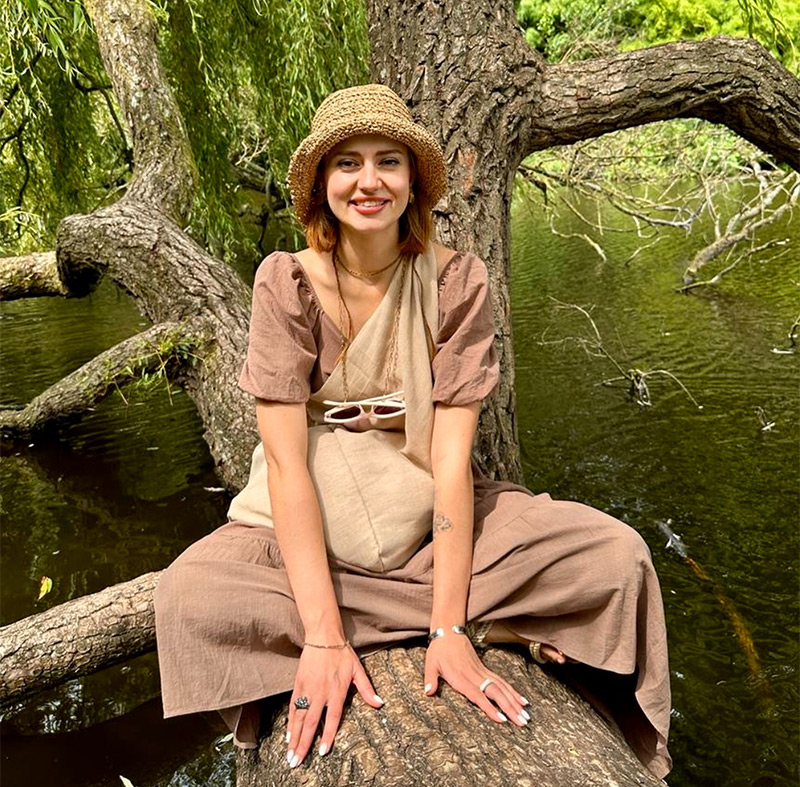
Code of Trauma: Traditions of Healing
A limited podcast series dedicated to preserving and revitalizing Ukrainian cultural heritage by bringing traditional healing practices, such as grief songs, into dialogue with modern trauma education. As a trauma educator and practitioner, Daniela gathers lamentations, expert insights, and personal stories to show how cultural memory can transform the way we face loss. More than an educational resource, this project is part of a growing movement to reclaim the dignity of collective grieving and memory, and to create cultural spaces where sorrow becomes a source of connection and resilience.
“The grant gave me the strength to stand with such a sensitive theme in difficult times. It enabled me to find allies, build a recognizable voice for the project, and feel less alone while opening/holding space for conversations on grief and memory that our culture urgently needs.”
Daniela May
Kindling the Spirit: Singing down carbon to sing up spirit
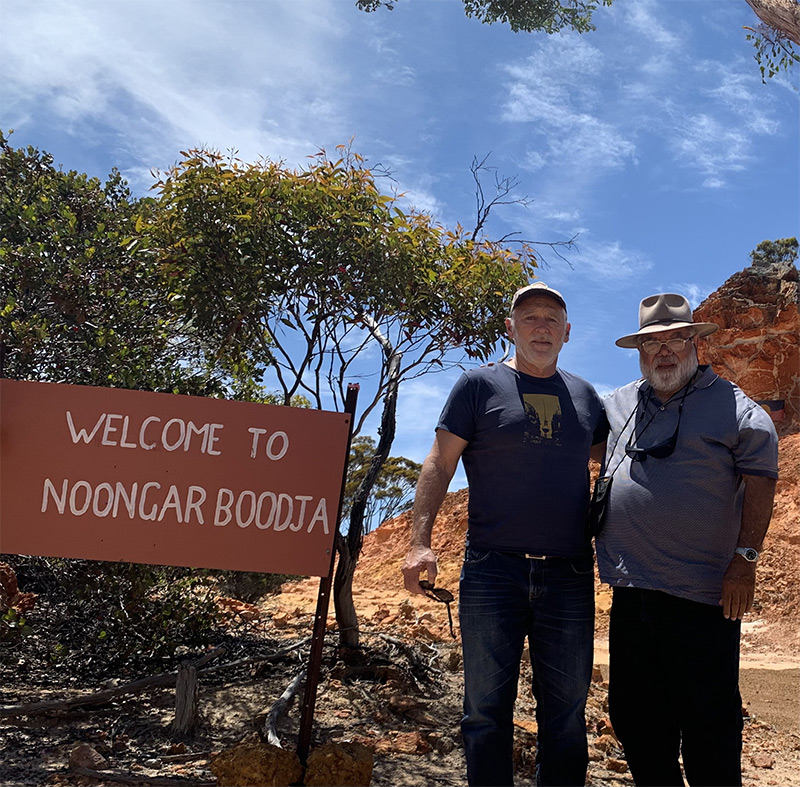
Singing spirit down deep into the land is how Nyoongar people kept it safe with the arrival of the tall ships in the South West of Western Australia. Elder Uncle Noel Nannup says “Nothing is lost! It is time to begin singing spirit back up.” This project involves the reintroduction of cultural burning and production of biochar through traditional methods at an ‘On-Country’ camp next to a cultural site of Yarrigin Rock in North Kununoppin, 260 km north east of Perth, Western Australia. The camp brought together Nyoongar and Wadjals (white fellas) in a way that linked traditional cultural practices of cultural burning practices and the contemporary science of biochar making and use. The grant has been used to support the running of the camp and production of a video that focus on how Aboriginal and non-Aboriginal people can walk together towards 2029, which marks 200 years of colonisation of Nyoongar Boodja, Perth, Western Australia. Importantly the video and the overall Kindling the Spirit project is part of the longer journey of shifting from just walking together to working together, as they explore the prototyping of an indigenous-led biochar enterprise.
“The Emerald Podcast Grant helped us bring together diverse skills to explore the cultural and scientific basis of cultural burning and biochar. We now have a video of the sharing of knowledge and insight between Uncle Noel Nannup (an esteemed Nyoongar Elder) and Professor Stephen Joseph (one the world leading biochar scientist). Now we can show the world.”
Mike Mouritz
Safe House 7
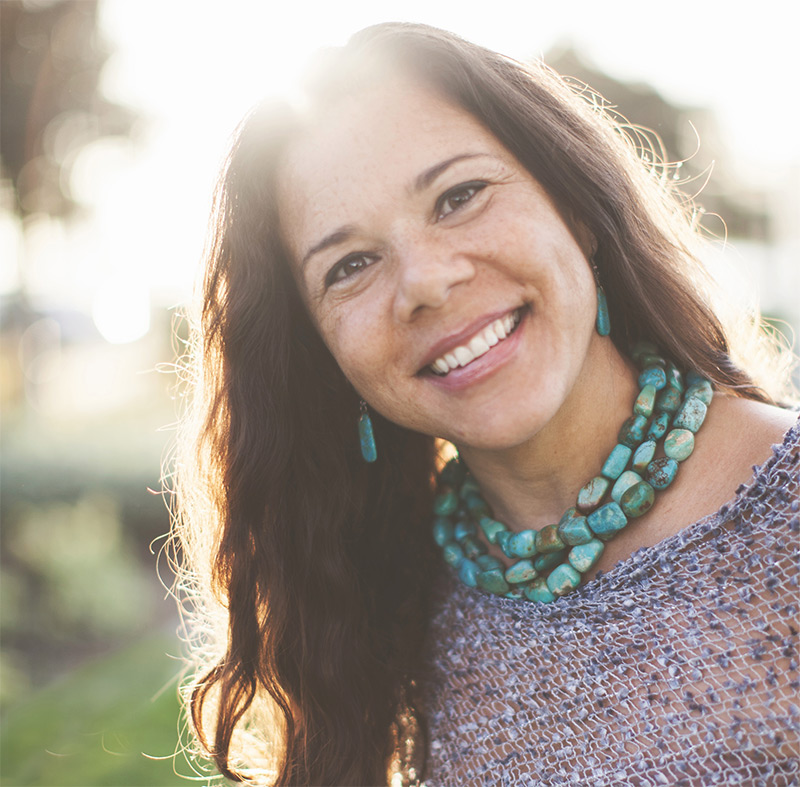
A psycho-spiritual protocol that is rooted in the perspectives and technologies of ancient West African spiritual tradition blended with western therapeutic praxis. The protocol was developed to create a space for communities that hold collective historical trauma to restore into a more balanced relationship with aspects of oneself, others and the planet. Safe House 7 comprises of seven “thresholds” or concentrations that incorporate: ancestral acknowledgment and exploring multigenerational legacies, storytelling, intrapsychic harmony of the Self , oracular practices, earth based communion, and reciprocity as ritual. Safe House 7 centers relationship and community as both a container and technology in our restoration process towards wholeness.
“Funding from the Emerald Podcast Grant Program made it possible for our inaugural launch of Safe House 7 as a group. The last 5 month project has been so rich and everyone involved was deeply impacted by the depth of material and relationship created through the process. I am infinitely grateful for being granted this funding for something I believe will continue to grow and provide others with alternative ways of healing.”
Urana Jackson
Remembering Forward
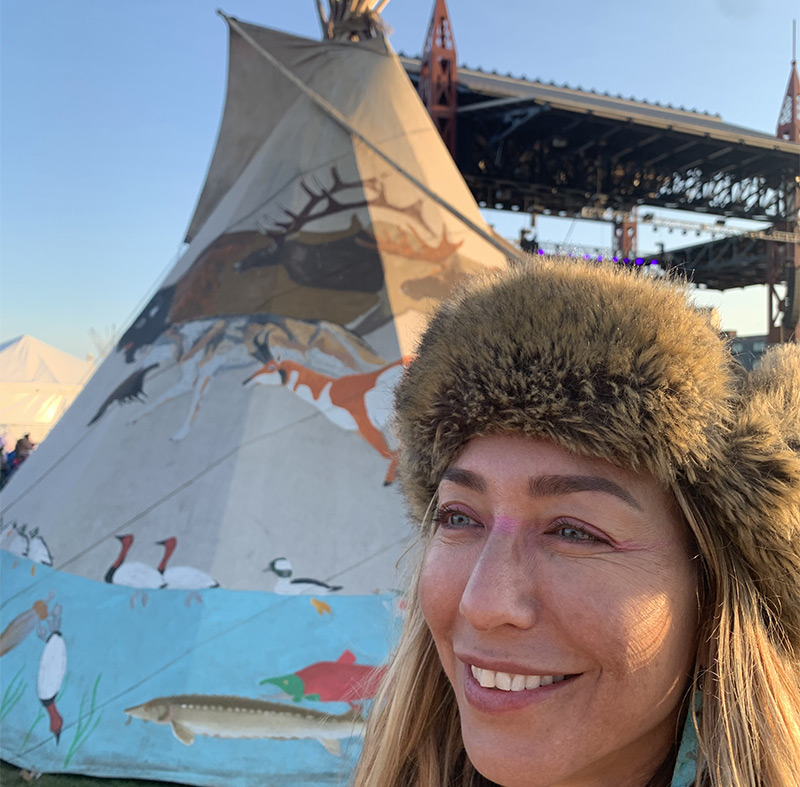
The preservation of traditional knowledge and practices related to Mushkiki (Medicines), Aki (the Land, Great Lakes, Michigan), and Ahnangokwan Gikendaasowin (Star Knowledge) through Adisokaanaag and Dibaajimowinan (Stories) held by an Elder Odawa Anishinaabe knowledge-keeper, traditional doctor, and pipe man for the Anishinaabe community in Michigan. Ariel Clark (Eddewagiizhigkwe, Both Sides Of The Sky Woman, Mikinaak Dodem, Turtle Clan), will support this knowledge-preservation project. Ariel is an enrolled Tribal citizen of Grand Traverse Band of Ottawa and Chippewa Indians.
“This funding has allowed the knowledge-preservation to expand and include more members of the community, including Youth, who are the future, through supporting travel, food and accommodations. Significantly, it enabled us to purchase a good camera for documentating, which is also now being used for filming another Elder knowledge-keeper.”
Ariel Clark
Moatian Joibo
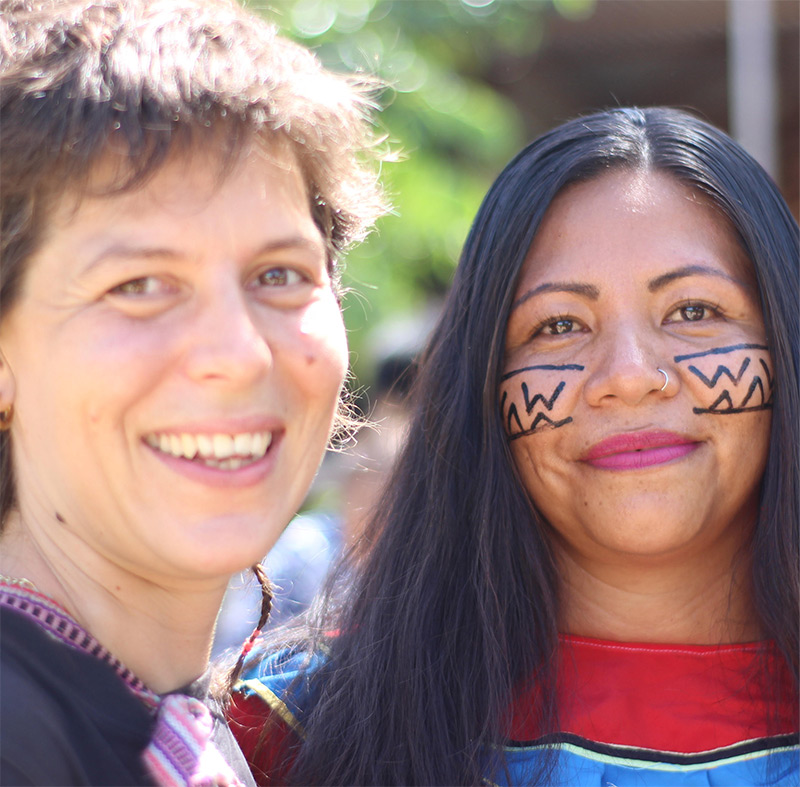
Seeking to preserve traditional Shipibo-Konibo stories by recording, transcribing, and translating them. While it focuses on the sacred Noya Rao tree story, also known as the Komankaya myth, it will also include other stories shared by the Mahua family, a renowned lineage of Shipibo-Konibo healers. The project emphasizes language revitalization and cultural preservation by documenting the language as spoken by elders, which retains its original structure and vocabulary. Modern Shipibo, in contrast, has been heavily influenced by Spanish, leading to significant changes over time. By capturing the elders’ language, the project seeks to preserve its authentic form and ensure its continuity. While Shipibo-Konibo culture is gaining recognition in the West—often reduced to ayahuasca tourism—most educational materials are filtered through a Western lens. Moatian Joibo aims to provide unaltered resources that reflect the true essence of Shipibo-Konibo language and culture.
“Receiving the grant brought our project to life. Once only words, it found form and motion. The support gave us clarity and momentum. Most meaningfully, it inspired curiosity among some young Shipibo-Konibo community members, allowing them to re-explore their stories—an interest that will hopefully grow into reconnection.”
Clémence Lobert